

Gaming laptops have come a long way. Back in 2013, most were bulky, loud, and looked like tanks. But then came the Razer Blade (2013)—sleek, fast, and stylish enough to make you look twice. It was like a ninja in a world of sumo wrestlers.
This laptop wanted to be the MacBook Pro for gamers. And honestly, it got pretty close. But was all the style backed by performance? Let’s dive in and find out.
Design That Turns Heads
The first thing you’ll notice is the all-black aluminum body. It feels sturdy, yet not too heavy. At just 0.66 inches thick and around 4.1 pounds, the Razer Blade (2013) was shockingly slim for a gaming machine back in its day.
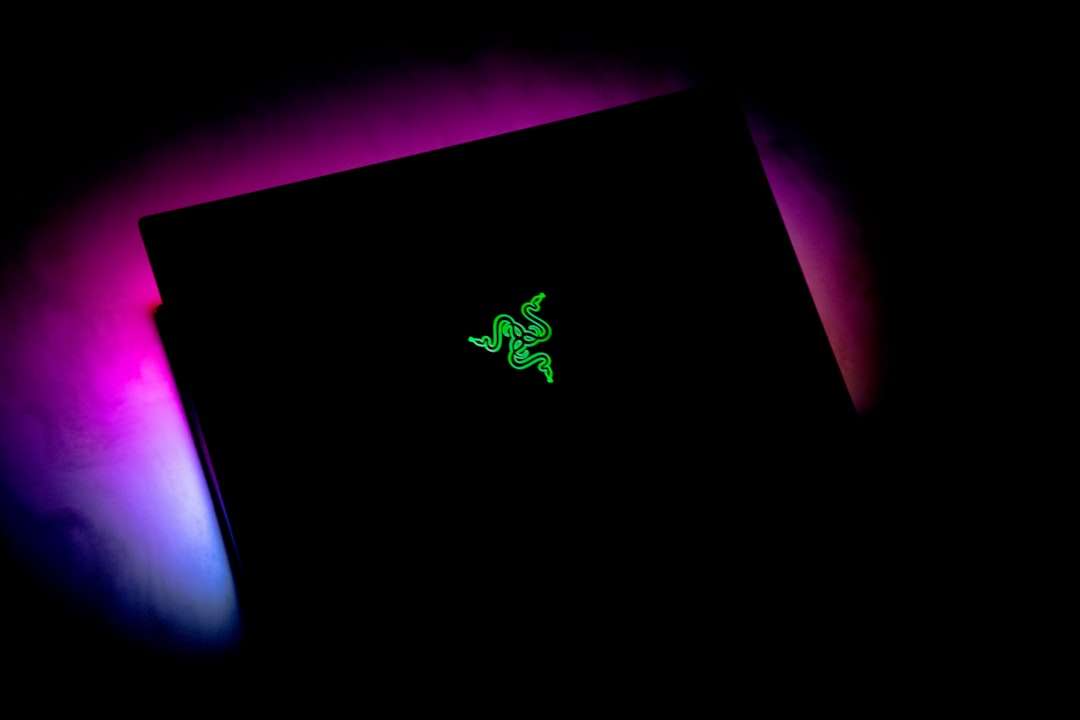
Everything about it screams minimalism—but in a good way. The lid has a simple glowing green Razer logo. It’s cool without trying too hard.
The keyboard is backlit with Razer’s signature green lights. It’s comfortable for typing and gaming alike. There’s even a spacious trackpad that actually feels good to use. That was rare for Windows laptops at that time.
Specs Under the Hood
Now let’s get into what makes this laptop tick. Here are the key specs:
- Processor: Intel Core i7-4702HQ (quad-core, 2.2GHz)
- Graphics: NVIDIA GeForce GTX 765M with 2GB GDDR5
- Memory: 8GB DDR3 RAM
- Storage: 128GB, 256GB, or 512GB SSD options
- Display: 14-inch 1600×900 LED screen (non-touch)
Let’s pause here. Yes, a screen resolution of 1600×900 sounds weak now. But this was 2013. Also, Razer later added a touch version with a crazy 3200×1800 panel. That version was harder on battery but looked stunning.
Performance: Slay or Stay?
The Razer Blade (2013) wasn’t just a pretty face. This thing could game.
With the GTX 765M, it handled most games on medium to high settings. Titles like BioShock Infinite and Tomb Raider ran smoothly. Was it a powerhouse like a bulky Alienware? No. But it traded brute strength for style and portability.

For productivity, it rocked too. Photoshop, video editing, and multitasking were all very doable. That SSD made everything lightning fast. Booting up took just a few seconds. No more coffee breaks while waiting for Windows to load.
Battery Life
Thin laptops often mean short battery life. But the Blade was surprisingly decent.
On light tasks like web browsing and document work, it lasted about 6 hours. Gaming or video editing, of course, drained it much faster—expect 2 to 3 hours max. Still, for a gaming laptop, this was impressive at the time.
Ports and Features
Despite being slim, the laptop was generous with ports:
- Three USB 3.0 ports
- HDMI 1.4 output
- 3.5mm combo headphone jack
Pretty standard, but spaced out well and easy to reach. No awkward bending or weird adapters were needed.
There was no Ethernet port, though. It relied on strong Wi-Fi (802.11a/b/g/n) and Bluetooth 4.0. A bit of a downfall for hardwired gamers, but nothing a USB adapter couldn’t fix.
Display: Beauty or Beast?
The 1600×900 screen was a slight letdown. Colors were decent, brightness was okay, but it wasn’t super sharp. Still, gaming and movies looked fine—just not jaw-dropping.
The upgraded touchscreen model, though, was something else. With a 3200×1800 resolution, it was sharp, vibrant, and fun to use. But it also ate battery and added glare.
Coolest Cooling
Gaming laptops get hot. It’s kind of their thing. The Razer Blade’s fan system worked very well—quiet during casual use, louder when gaming but never unbearable.
The bottom got warm, but the keyboard area stayed cool enough to keep gaming. Plenty of airflow thanks to hidden vents that didn’t ruin the design.
Sound and Speakers
Audio was decent but not amazing. It’s what you’d expect from small laptop speakers. Games and movies had enough punch, but music lovers might want headphones.
Luckily, the headphone jack worked like a dream. Plug in quality headphones, and you’ll get great sound.
The Price Tag
Let’s be honest: the Razer Blade (2013) wasn’t cheap. Starting around $1,799 for the base model, it was a luxury buy. But think of it like the Tesla of gaming laptops—sleek, premium, and pushing boundaries.
If you cared about style and mobility as much as raw power, it was worth the money.
Who This Laptop Is For
Still wondering if this is your kind of machine? Here’s a quick breakdown:
- The Travel Gamer: It’s light, slim, and easy to carry.
- The Stylish Streamer: Looks great in any setup or cafe.
- The Casual Creator: Video and photo editing work just fine.
- The Everyday User: A bit pricey, but very usable for daily tasks.
It’s not for hardcore gamers who need top-tier performance in every title. Nor is it for anyone on a tight budget. But if you want good gaming in a MacBook-style package, this was one of the best choices in 2013.

Final Verdict
The Razer Blade (2013) was a bold leap. It showed the world that gaming laptops didn’t have to be thick and ugly. It was fast, elegant, and felt like something from the future—at least for 2013.
Sure, it had flaws. The screen could have been sharper, and the price was high. But none of that changes the fact that Razer dared to do something different—and largely succeeded.
Overall Rating: 8.5/10
If you’re into gaming with a pinch of class and can find one of these today (maybe refurbished), it’s still a fun and capable machine. It’s not just a laptop. It’s history.