

Search visibility rarely improves by accident. A focused SEO campaign gives marketing teams a structured way to choose goals, prioritize work, measure outcomes, and explain progress to stakeholders. When managed well, it connects technical SEO, content, keyword strategy, link earning, and reporting into one coordinated growth plan.
TLDR: SEO campaign management involves planning goals, executing prioritized tasks, tracking key performance indicators, and reporting results clearly. For example, a B2B software company might target 25 high-intent keywords, publish 12 optimized articles, improve page speed by 30%, and grow organic demo requests by 18% over six months. The strongest campaigns focus on business outcomes, not just rankings. Reporting should show what changed, why it changed, and what should happen next.
What Is SEO Campaign Management?
SEO campaign management is the process of organizing search engine optimization activities around a defined objective, timeline, and measurement framework. Rather than treating SEO as a loose collection of tasks, campaign management creates a roadmap that helps teams decide what deserves attention first.
A campaign may focus on increasing organic traffic, improving rankings for commercial keywords, recovering from a traffic decline, expanding into a new topic cluster, or generating more leads from existing content. In each case, the campaign needs a clear strategy, assigned responsibilities, realistic milestones, and meaningful KPIs.
Step 1: Planning the SEO Campaign
Planning begins with understanding the business goal behind the SEO work. A campaign designed to increase ecommerce revenue will look different from one designed to build topical authority for a professional services firm. The campaign manager should define the desired outcome before choosing keywords or publishing content.
Strong SEO planning usually includes the following elements:
- Business objective: The outcome the organization wants, such as more qualified leads, sales, subscriptions, or appointments.
- SEO objective: The search-specific target, such as higher rankings, increased impressions, improved crawlability, or stronger organic conversions.
- Audience research: A clear understanding of search intent, user problems, buying stages, and decision-making triggers.
- Keyword research: A prioritized list of informational, commercial, navigational, and transactional keywords.
- Competitive analysis: A review of competitor content, backlinks, page structure, SERP features, and ranking gaps.
- Technical audit: An evaluation of indexability, site speed, mobile usability, structured data, internal links, and duplicate content.
The planning stage should also define campaign scope. A three-month campaign may focus on technical cleanup and a small cluster of pages, while a twelve-month campaign may include content hubs, digital PR, template improvements, and conversion rate optimization.
Step 2: Building the SEO Roadmap
After research is complete, the campaign manager should convert insights into an actionable roadmap. This roadmap determines what gets done, in what order, and by whom. Prioritization is essential because SEO teams often have more opportunities than available time.
A practical way to prioritize tasks is to evaluate each item by impact, effort, and confidence. For example, fixing a noindex issue on revenue-generating pages may have high impact and low effort, making it a top priority. Creating a new content hub may have high impact but higher effort, so it should be planned across several phases.
Typical roadmap categories include:
- Technical fixes: Improving crawl access, XML sitemaps, redirects, canonical tags, structured data, and page experience.
- On-page optimization: Updating titles, headings, internal links, copy depth, metadata, and search intent alignment.
- Content production: Creating new landing pages, blog articles, comparison pages, guides, and topic clusters.
- Authority building: Earning links through outreach, partnerships, thought leadership, and digital PR.
- Conversion improvements: Enhancing calls to action, forms, trust signals, and page layouts for organic visitors.

Step 3: Executing the Campaign
Execution is where SEO strategy becomes visible. The campaign manager coordinates content writers, developers, designers, analysts, and stakeholders so that planned work moves forward without losing strategic direction.
During execution, teams should maintain a shared project tracker that lists each task, owner, deadline, status, and dependencies. This reduces confusion and helps stakeholders understand why certain actions must happen before others. For instance, a content refresh may depend on keyword mapping, while a site architecture update may require developer approval before new internal links are added.
Quality control is also important. Publishing more pages does not guarantee better SEO performance. Each page should satisfy search intent, present original value, use clear structure, include helpful internal links, and support a defined business objective. Technical changes should be tested carefully to prevent indexing issues or performance regressions.
Step 4: Tracking SEO KPIs
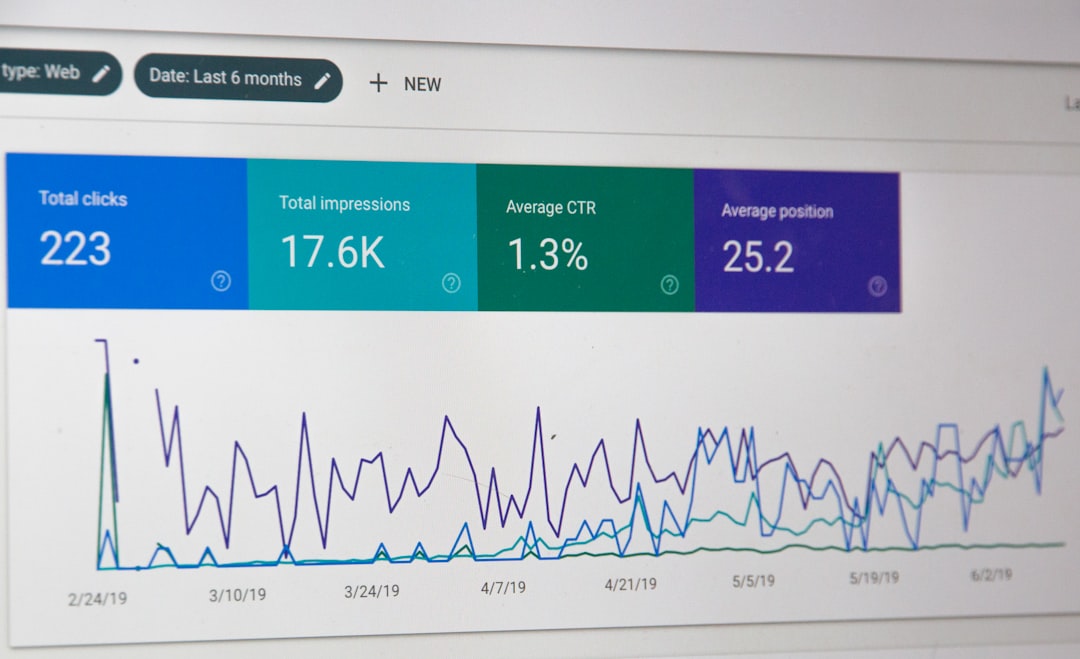
SEO KPIs should connect visibility improvements to commercial value. Rankings are useful, but they are not enough on their own. A campaign may rank for more keywords yet fail to generate meaningful business results if traffic quality is poor.
Common SEO campaign KPIs include:
- Organic sessions: The number of visits from unpaid search results.
- Impressions: How often pages appear in search results.
- Average position: Ranking trends for tracked keyword groups.
- Click-through rate: The percentage of impressions that become clicks.
- Conversions: Leads, sales, signups, bookings, or other valuable actions from organic traffic.
- Organic revenue: Ecommerce or attributed pipeline generated through organic search.
- Indexed pages: The number of important pages available to search engines.
- Core Web Vitals: Performance and page experience metrics that affect usability.
- Backlinks and referring domains: Measures of authority and off-page growth.
The best KPI set depends on the campaign type. A new website may focus first on indexation and impressions. A mature website may focus on revenue, assisted conversions, and share of voice. A content campaign may track keyword growth, engagement, and lead quality across a topic cluster.
Step 5: Reporting SEO Performance
SEO reporting should be clear, honest, and tied to decision-making. A useful report does more than display charts. It explains what happened, why it likely happened, what actions were completed, and what the team recommends next.
A strong SEO report often includes:
- Executive summary: A short overview of progress, wins, risks, and next steps.
- Goal performance: Results compared with campaign targets or benchmarks.
- Traffic and conversion data: Organic sessions, leads, sales, revenue, or other key outcomes.
- Keyword movement: Ranking changes by priority groups, not just isolated terms.
- Completed work: Technical fixes, published content, refreshed pages, and link-building activity.
- Insights: Explanations of patterns, declines, gains, and competitive changes.
- Next actions: Recommended priorities for the next reporting period.
Reports should avoid vanity metrics without context. For example, a 40% increase in impressions may seem positive, but if clicks and conversions remain flat, the team should investigate title tags, ranking positions, search intent, or SERP features. Similarly, a temporary traffic decline may not be alarming if low-value pages were removed and qualified leads improved.

Common SEO Campaign Mistakes
Many campaigns underperform because they lack focus. Targeting too many keywords, publishing thin content, ignoring technical issues, or reporting only rankings can weaken results. Another common mistake is expecting immediate growth from work that naturally takes time to compound.
Teams should also avoid separating SEO from broader marketing goals. Search performance improves when SEO is aligned with brand messaging, sales priorities, product positioning, and customer questions. When content answers real buyer concerns and technical foundations are strong, SEO becomes a long-term acquisition channel rather than a checklist.
Best Practices for Sustainable Campaign Management
Successful campaigns usually follow a consistent rhythm. Planning should happen before execution, execution should be documented, and reporting should influence the next round of priorities. This creates a feedback loop that keeps the campaign practical and measurable.
SEO managers should review data regularly, but they should avoid reacting to every minor ranking fluctuation. Weekly checks can identify technical problems, while monthly reports can assess performance trends. Quarterly reviews are useful for evaluating strategy, competition, content gaps, and budget allocation.
Ultimately, SEO campaign management works best when it balances strategic patience with operational discipline. Search engines need time to crawl, understand, and evaluate changes, but teams still need deadlines, accountability, and clear performance expectations.
FAQ
How long should an SEO campaign run?
Most SEO campaigns should run for at least three to six months, although competitive industries may require twelve months or more. Technical fixes can show faster impact, while content authority and link growth often take longer.
What is the most important SEO KPI?
The most important KPI depends on the business goal. For many companies, organic conversions or revenue matter more than rankings or traffic alone.
How often should SEO reports be created?
Monthly reporting is common because it gives enough time for meaningful trends to appear. Weekly monitoring can still be useful for technical checks and urgent issues.
Who should manage an SEO campaign?
An SEO campaign is usually managed by an SEO strategist, digital marketing manager, or agency lead. The manager coordinates specialists such as writers, developers, analysts, and outreach professionals.
Can SEO campaigns work without content creation?
Some campaigns can improve results through technical fixes and on-page optimization, but long-term growth often requires high-quality content. Content helps websites target new queries, answer user questions, and build topical authority.