
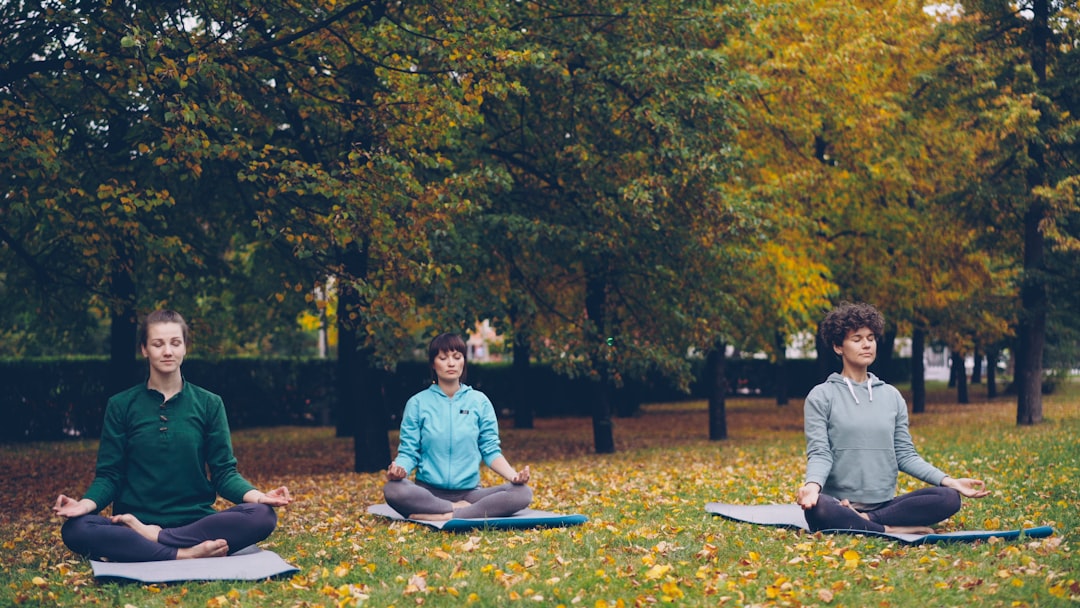
In today’s fast-paced and digitally driven world, maintaining mental well-being can be challenging. Fortunately, the rise of mindfulness apps and tools offers innovative ways to promote mental health on a daily basis. Whether it’s through guided meditation, sleep stories, breathwork, or habit tracking, these platforms are designed to bring calm, focus, and clarity to your life. Below, we explore some of the most trusted, research-backed mindfulness apps and tools that genuinely help users build healthier mental habits.
TLDR (Too Long, Didn’t Read)
Mindfulness apps such as Headspace, Calm, Insight Timer, and Balance have been scientifically validated to help reduce stress and anxiety. These tools blend user-friendly interfaces with evidence-based techniques, making mental wellness more accessible. Some platforms offer personalized experiences, while others provide social communities and niche features like sleep optimization. When used consistently, they offer long-term benefits for emotional regulation, sleep quality, and overall mental resilience.
1. Headspace: A Clinically Validated Favorite
Headspace is a leader in the mindfulness app market, often recommended by psychologists and mental health professionals. The app features daily meditations, mood check-ins, and progress tracking. Various programs target issues such as anxiety, stress management, focus, and sleep improvement.
Why it works: Headspace is supported by published studies indicating positive effects on stress reduction and cognitive performance. It uses simple animations to explain complex theories of mindfulness and trains users in foundational techniques.
- Beginner-friendly guided sessions
- Sleep sounds and wind-down practices
- Special series on work stress, relationships, and grief
Ideal for: Beginners and those looking for approachable, structured lessons.
2. Calm: Perfect for Deep Relaxation
Calm is another top-tier mindfulness app recognized for its aesthetically pleasing interface and diverse offerings. From the soothing voice of Matthew McConaughey narrating sleep stories to daily Calm meditations, the app helps build consistent mental practices effortlessly.
Features include:
- Daily Calm meditations and reflection prompts
- A wide library of music for concentration and relaxation
- Breathing exercises and mindful movement guidance
Why users love it: Calm boasts the American Psychological Association’s endorsement for stress relief efficacy. It’s ideal for those with sleep troubles or anxiety-related symptoms.
Cost: Though it offers a free trial, most features require a subscription.
3. Insight Timer: Community and Customization
Unlike most mindfulness apps that are tightly restricted behind paywalls, Insight Timer provides thousands of guided meditations and music tracks for free. It also boasts a large social component, allowing users to see others meditating worldwide in real time.
Main Attractions:
- Over 130,000 free sessions from teachers and psychologists
- Courses on loving-kindness, mindful eating, and Buddhist practices
- Live events and group meditations
Best for: Intermediate users who want access to a broad variety of practices and teachings.

4. Balance: Personalized Meditation Plans
Balance is a newer app that emphasizes personalization. Unlike generic programs, it uses feedback from the user to create a unique meditation journey tailored to individual needs and challenges.
How it stands out:
- Dynamic, AI-driven meditation plans
- Daily mood logging and adaptive goals
- Science-based briefings about how mindfulness impacts the brain
The app also frequently offers annual memberships for free to newcomers, making high-quality mental wellness support available without financial barriers.
Recommended for: Users looking for tailored alternatives with scientific backing.
5. Breathwrk: Breathing Exercises for Anxiety and Focus
Breathwrk isn’t a meditation app in the traditional sense; instead, it breaks down breathwork techniques into easily executable exercises that target specific needs—such as calming nerves before a difficult conversation or boosting energy before a workout.
Key Highlights:
- Bite-size breathwork sessions lasting 1–5 minutes
- Scientifically-backed patterns like box breathing and nasal elongation
- Clear visualization and tutorial videos
Best suited for: People with fast-paced lifestyles and minimal time for longer meditation sessions.
6. Moodnotes: Mindfulness via Journaling
Moodnotes merges mindfulness with psychological tools like cognitive behavioral therapy (CBT) to help users reframe negative thinking patterns. Designed by clinical psychologists, the app has a journaling interface that prompts users to reflect mindfully on their experiences.
What users appreciate:
- Emotion tracking and thought correction tools
- Educational tips grounded in psychology
- Simple interface tailored for daily use
Best for: Users who enjoy journaling or want to deepen self-awareness through written reflection.

7. Breethe: Holistic Emotional Wellness Platform
Breethe positions itself as more than a meditation service; it’s a full wellness hub. From inspirational talks to life coaching and hypnotherapy sessions, Breethe aims to provide practical help for real-life stressors, such as financial anxiety and relationship challenges.
Top features:
- Audio tracks for anxiety, confidence, and personal growth
- On-the-go tools like “Mini-Moments” of mindfulness
- Morning and evening guided routines
With its comprehensive content, Breethe often appeals to older demographics seeking broader emotional support beyond traditional mindfulness practices.
8. Oak: A Free and Beautiful Intro to Meditation
For users new to mindfulness, Oak offers a simplistic, elegant experience without the clutter. It’s completely free and supports guided meditation, breathing exercises, and sleep tracks with minimal visual distractions.
Highlights:
- Focuses on three core areas: meditation, breathing, and sleep
- Custom timer for unguided practice
- Progress tracking with tree-planting animations for motivation
Great for: Beginners who don’t want to deal with subscriptions or data overload.
How to Choose the Right App for You
Choosing a mindfulness app depends largely on your mental health goals and preferred practice style. Here are a few tips:
- Goal-oriented? Choose Balance or Headspace for structured pathways.
- Love variety? Insight Timer offers the most diverse content for free.
- Limited time? Try Breathwrk for quick, targeted relief.
- Need help sleeping? Both Calm and Breethe include comprehensive sleep tools.
Conclusion
The growing ecosystem of mindfulness apps is helping millions establish and maintain healthier mental routines. Whether through grounding exercises, breathwork, emotional journaling, or guided sleep meditations, these digital tools are more than just trends—they are validated resources grounded in psychological science. Choosing the right platform can profoundly impact your emotional resilience, clarity of mind, and overall well-being.
Remember: Consistency is key. Commit just 5–10 minutes a day, and over time, the mental clarity and peace you seek will become more accessible and sustainable.