
Web accessibility companies make websites, apps, and digital documents usable for people with disabilities while helping organizations reduce legal, technical, and customer-experience risk. They test for barriers, explain what is broken, help teams fix issues, and train staff so the same problems do not return. Their work connects design, code, content, compliance, and real human use.
TLDR: Web accessibility companies audit digital products, repair access barriers, and guide teams toward WCAG, ADA, Section 508, or EAA compliance. For example, an online retailer with 50,000 monthly visitors may find that 8% of shoppers cannot complete checkout because form errors are not announced by screen readers. Fixing that issue can improve access, cut abandoned carts, and lower complaint risk. The best firms combine automated scans, manual testing, user testing, remediation, and training.
They Find Barriers That Block Real Users
The first major job is accessibility testing. This sounds simple, but it is not just running software and sending a colorful report. Automated tools can catch some problems, such as missing image alt text, low color contrast, empty buttons, or skipped headings. That is useful. It is also incomplete.
Most accessibility problems need human review. A tool may say a button exists. It cannot always tell whether the label makes sense. It may detect a form field. It may miss that the error message appears visually but is never announced to a blind user. Honestly, it feels a bit absurd when a checkout page “passes” a scan while a keyboard user still gets trapped in a pop-up.
Good accessibility companies test with methods such as:
- Automated scanning for common WCAG failures.
- Manual code review for HTML, ARIA, JavaScript, and focus behavior.
- Keyboard-only testing to confirm every feature works without a mouse.
- Screen reader testing with tools such as NVDA, JAWS, VoiceOver, or TalkBack.
- Mobile accessibility checks for gestures, zoom, orientation, and touch targets.
- Cognitive accessibility review for clarity, error prevention, and readable flows.
They Compare Sites Against Accessibility Standards
Most projects are measured against WCAG, the Web Content Accessibility Guidelines. These guidelines cover whether content is perceivable, operable, understandable, and robust. Organizations often aim for WCAG 2.2 Level AA, which is widely used as a practical target.
Accessibility companies also help teams understand legal and policy requirements. Depending on the organization, this may involve the Americans with Disabilities Act, Section 508, the European Accessibility Act, or internal procurement rules. They usually do not replace legal counsel. Instead, they provide technical evidence, reports, and remediation plans that support compliance work.
They Produce Reports People Can Actually Use
A weak audit report is a wall of screenshots and vague warnings. A strong report tells teams exactly what is wrong, who is affected, how severe it is, where it appears, and how to fix it.
A typical issue entry may include:
- Issue name: Form error not announced to screen reader users.
- Location: Checkout payment step.
- Impact: User may not know why payment failed.
- Standard: WCAG success criterion reference.
- Severity: Critical, high, medium, or low.
- Recommended fix: Associate the error text with the field and announce it through an accessible status message.
- Retest status: Open, fixed, partially fixed, or failed retest.
It drives development teams crazy when reports say “add ARIA” with no code sample, no context, and no explanation. Better firms avoid that. They give practical guidance, often with snippets, design notes, and acceptance criteria.
They Help Fix the Problems
Some companies only audit. Many also provide remediation support. This means they help designers, developers, content editors, and product managers repair the issues found during testing.
Common remediation tasks include fixing heading structures, rewriting link text, improving alt text, correcting color contrast, repairing modal dialogs, improving form labels, adding keyboard support, and replacing broken custom controls. They may also repair PDFs, presentations, and downloadable documents. Document accessibility is often messy. Tagged PDFs, reading order, tables, form fields, and alt text all need careful work.
For larger organizations, accessibility firms may work through sprint cycles. They review tickets, answer developer questions, retest fixes, and help decide which issues must be fixed before release. This keeps accessibility from becoming a scary final gate at the end of a project.

They Test With People Who Use Assistive Technology
Real user testing is one of the most valuable services. This involves people with disabilities using the website or app to complete tasks. Participants may be blind, have low vision, be deaf or hard of hearing, have mobility disabilities, have cognitive disabilities, or use speech input software.
This type of testing finds issues that checklists miss. A menu may technically open with a keyboard, but users may still get lost because the focus order feels strange. A video may have captions, but the captions may be poorly timed. A page may meet color contrast rules, yet still be confusing because too many alerts compete for attention.
User testing also changes how teams think. Seeing a person struggle for 40 seconds to find a button that a mouse user finds in 3 seconds can be uncomfortable. That discomfort is useful. It turns abstract compliance into a product problem with a human cost.
They Train Internal Teams
Accessibility companies do not just fix defects. They help organizations build skill. Training may be tailored for designers, developers, QA testers, writers, legal teams, customer support, or executives.
Designers may learn about focus states, contrast, spacing, labels, and error handling. Developers may learn semantic HTML, ARIA patterns, keyboard support, and testing workflows. Content teams may learn how to write descriptive links, useful headings, plain language copy, and alt text that is helpful rather than stuffed with keywords.
Training matters because accessibility debt returns fast. A site can pass an audit in March and fail again in June after a few rushed updates. Without process changes, the same defects keep coming back.
They Build Accessibility Programs
Mature accessibility work goes beyond one audit. Many companies help create a full accessibility program. This can include governance, policy writing, design system review, procurement standards, QA checklists, vendor review, and ongoing monitoring.
A common goal is to move accessibility earlier in the workflow. Instead of fixing 300 issues after launch, teams catch problems during wireframes, design reviews, component development, and content entry. That saves money. It also protects users from broken releases.

They Provide Monitoring and Rechecks
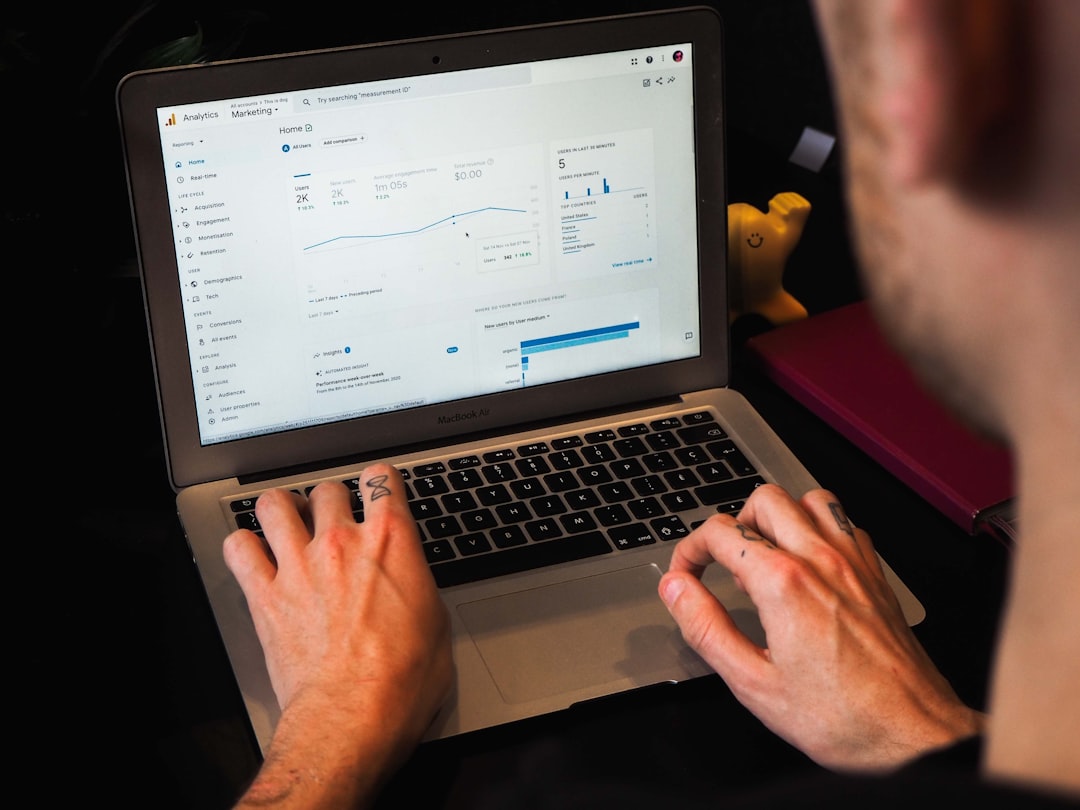
Websites change constantly. New products, blog posts, forms, plug-ins, banners, and third-party scripts can introduce new barriers. Accessibility companies may provide recurring scans, manual spot checks, and scheduled re-audits.
Monitoring is not a magic shield. Automated dashboards still miss many issues. But they can help teams catch regressions early. A monthly report showing that contrast errors rose from 12 to 86 after a brand update is a useful warning.
What They Do Not Do
Accessibility companies do not make a site “fully compliant forever.” No honest provider can promise that. They also cannot fix every legal risk with a widget or overlay. Overlay tools often add a toolbar on top of a site, but they may leave the underlying code broken. Some users dislike them because they can interfere with assistive technology already in use.
The strongest accessibility work is practical and continuous. It improves code, design, content, testing habits, and team knowledge. It treats disabled users as real customers, not edge cases.
FAQ
- What is the main service offered by web accessibility companies?
-
Most offer accessibility audits, remediation guidance, compliance support, user testing, and training. Some also provide ongoing monitoring and program management.
- Can automated tools find all accessibility problems?
-
No. Automated tools may catch around 20% to 40% of common issues, depending on the site and tool. Manual testing and assistive technology testing are still needed.
- How long does an accessibility audit take?
-
A small website may take one to three weeks. A large e-commerce site, SaaS product, or public-sector platform may take several weeks or more.
- Do accessibility companies guarantee legal compliance?
-
Reputable companies usually avoid absolute guarantees. They can assess technical conformance, document findings, support fixes, and help reduce risk.
- Is accessibility only for blind users?
-
No. It supports people with visual, hearing, mobility, speech, cognitive, and neurological disabilities. It also helps older users, mobile users, and people in temporary situations.
- When should a company hire an accessibility firm?
-
The best time is before a redesign, platform launch, major release, or procurement decision. Hiring one after complaints or legal threats is common, but more stressful and costly.