
In the ever-evolving world of music, formats and terminology can sometimes feel confusing. Among albums, singles, mixtapes, and LPs sits a unique and often misunderstood format: the EP. Whether you’re an aspiring musician planning a release or a curious listener scrolling through streaming platforms, understanding what an EP is can give you deeper insight into how music is created, marketed, and consumed.
TLDR: An EP, or Extended Play, is a music release that is longer than a single but shorter than a full-length album. It usually contains 3 to 6 tracks and runs between 10 and 30 minutes. Artists often use EPs to introduce new music, experiment with sound, or maintain momentum between major album releases. In today’s digital era, EPs have become a powerful and flexible format for musicians of all levels.
What Does EP Stand For?
EP stands for Extended Play. The term dates back to the era of vinyl records, when formats were defined by how much music they could physically hold.
Traditionally:
- Single – One main track (sometimes with a B-side)
- EP – More tracks than a single, but not enough to qualify as a full album
- LP (Long Play) – A full-length album
While the physical limitations of vinyl once defined these categories, today the distinction is mostly based on track count and runtime.
How Long Is an EP?
There isn’t a strict global rule, but most music industry standards define an EP as:
- 3 to 6 tracks
- Under 30 minutes total runtime
For example, platforms like Spotify and Apple Music typically categorize a release as an EP if it meets one of these conditions:
- 4–6 tracks with a total length under 30 minutes
- 1–3 tracks, if at least one track exceeds 10 minutes
That said, the definition can vary slightly depending on the distributor or chart organization.
The Historical Roots of the EP
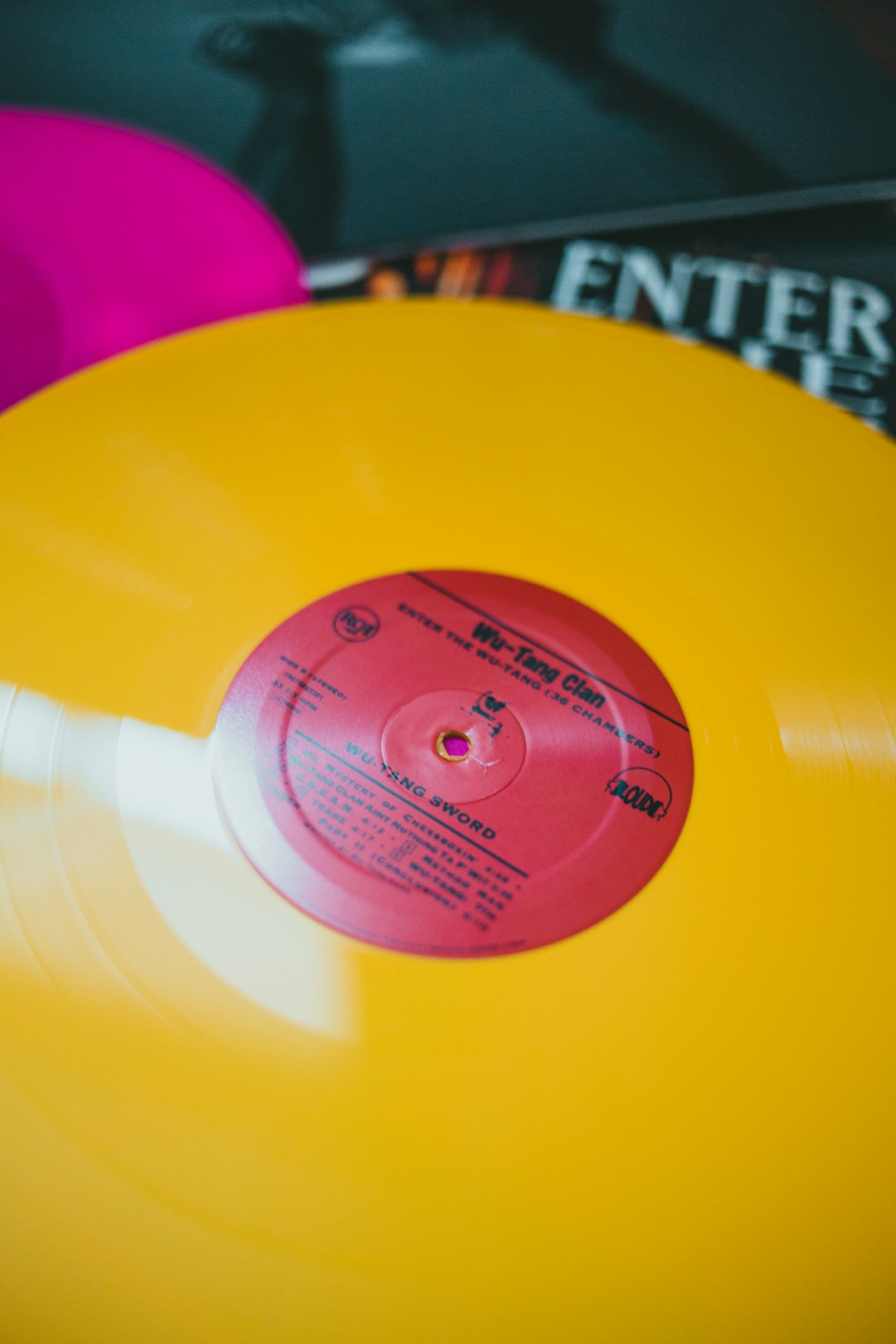
The EP format became popular in the 1950s and 1960s. During the vinyl era, records were produced in different sizes:
- 7-inch vinyl – Typically singles
- 10-inch vinyl – Often EPs
- 12-inch vinyl – Full albums (LPs)
EPs were especially popular in the UK, where artists would release shorter projects between albums to maintain public interest. For emerging artists, EPs were also more affordable to produce than full LPs.
As music technology evolved from vinyl to cassette, CD, and eventually digital platforms, the EP retained its place—not because of physical limitations, but because of its strategic advantages.
EP vs LP vs Single: What’s the Difference?
To better understand where EPs fit in, here’s a simple comparison:
| Format | Typical Track Count | Average Length | Main Purpose |
|---|---|---|---|
| Single | 1–2 tracks | 3–10 minutes | Promote one main song |
| EP | 3–6 tracks | 10–30 minutes | Showcase a collection of songs without a full album commitment |
| LP (Album) | 8–15+ tracks | 30–70+ minutes | Deliver a complete artistic statement |
Think of it this way: a single is a snapshot, an album is a full movie, and an EP is somewhere in between—like a short film.
Why Do Artists Release EPs?
EPs are incredibly popular in today’s streaming-dominated industry. Artists use them for several strategic and creative reasons:
1. Testing New Sounds
An EP allows musicians to experiment without the pressure of delivering a full album. Artists can explore new genres, production styles, or collaborations while keeping the project concise.
2. Building Momentum
Releasing an album can take years. EPs fill the gap between major projects and keep fans engaged.
3. Introducing New Artists
For emerging musicians, an EP acts as a musical resume. Instead of investing heavily in a full-length album, they can showcase their range with a shorter project.
4. Budget Considerations
Recording, producing, and marketing an LP can be expensive. EPs offer a cost-effective alternative while still delivering substantive content.
5. Streaming Algorithms
In the digital era, more frequent releases can mean greater visibility. An EP allows for multiple tracks to potentially enter playlists and reach new audiences.
The Creative Value of an EP
While shorter than albums, EPs are far from “mini” in impact. In fact, many iconic projects in music history have been EPs.
Creatively, EPs often:
- Deliver a focused theme or concept
- Avoid filler tracks
- Encourage tighter songwriting
- Offer highly cohesive listening experiences
Because artists work with fewer songs, there’s often greater attention to detail. Every track matters. There’s little room for excess.
How EPs Fit Into the Streaming Era
The rise of platforms like Spotify, Apple Music, and YouTube reshaped how music is consumed. Attention spans have shortened, and listeners often prefer digestible projects.
EPs thrive in this environment because they:
- Require less time commitment from listeners
- Encourage repeat plays
- Allow staggered promotional strategies
- Generate multiple marketing moments
For instance, artists might release:
- A lead single
- A second promotional track
- The full EP a few weeks later
This strategy extends audience engagement over several months rather than relying on one big album drop.
Can an EP Be Conceptual?
Absolutely. While shorter in length, EPs can still tell powerful stories.
Some artists use EPs to explore:
- A specific life event
- A certain emotional phase
- A seasonal theme
- A sonic experiment
In fact, the limited format can enhance storytelling. With fewer tracks, the narrative often feels more distilled and intentional.
Are EPs Eligible for Awards?
Yes. EPs can qualify for certain music awards, though eligibility depends on the rules of each awarding body. For example:
- The Grammys classify projects based on track count and runtime
- Charts may categorize EPs separately from albums
- Streaming platforms may list EPs distinctly in artist discographies
The classification matters because chart positions, sales reporting, and award submissions depend on how the release is defined.
Physical vs Digital EPs
While EPs began in the vinyl era, today they exist primarily in digital form. However, vinyl EPs have seen a resurgence thanks to the return of physical media.
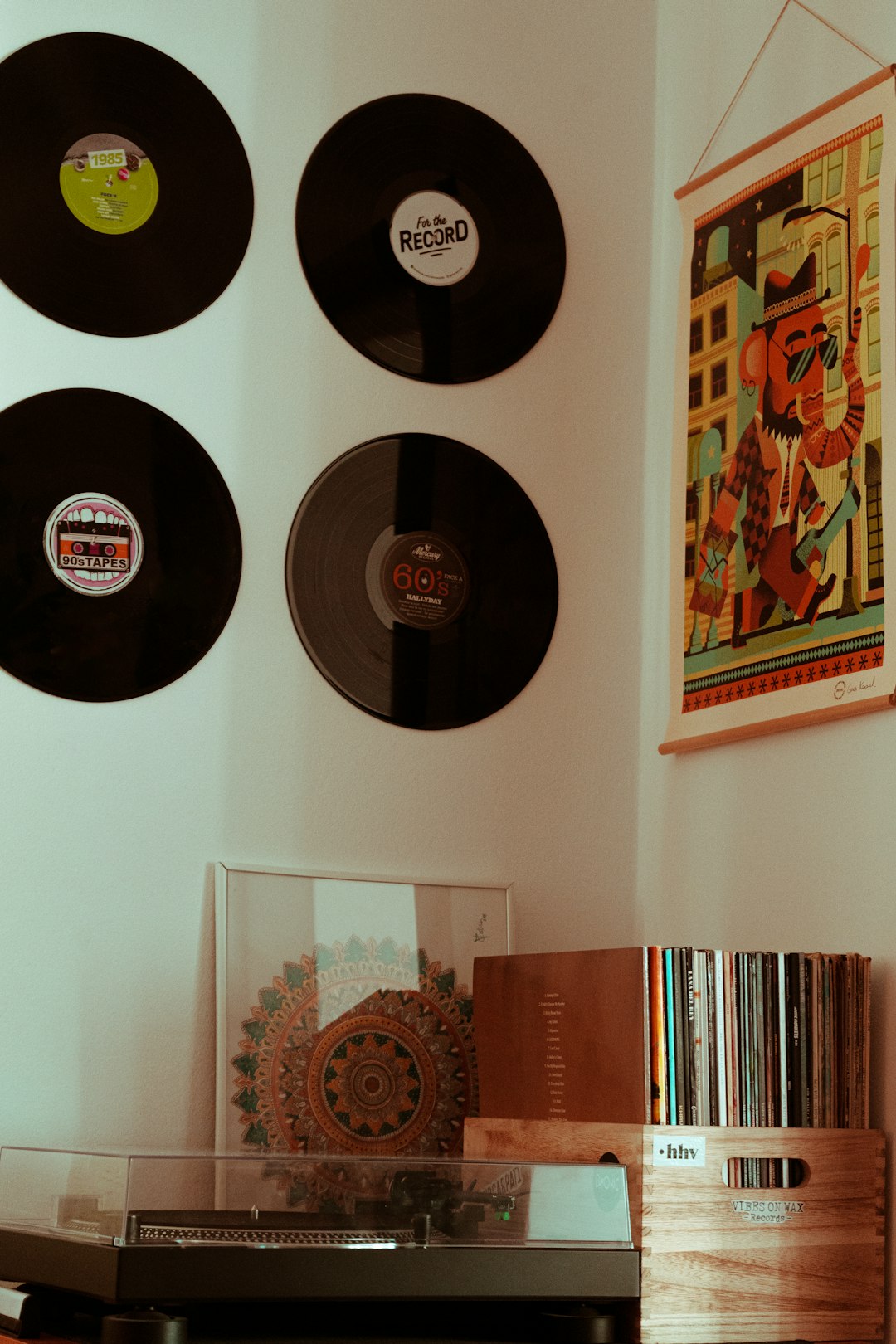
Modern EP releases may include:
- Digital streaming versions
- Limited-edition vinyl pressings
- CD versions for collectors
- Exclusive merchandise bundles
For indie artists especially, limited physical EPs can become valuable merchandise items sold at concerts or through online stores.
How to Decide If You Should Release an EP
If you’re a musician wondering whether to release a single, EP, or album, consider these questions:
- Do you have 3–6 strong, cohesive songs?
- Are you building your audience?
- Do you want consistent content without waiting years?
- Are you experimenting with a new direction?
If the answer is yes to most of these, an EP might be the perfect format.
Famous Examples of EP Impact
Many globally recognized artists have used EPs at key moments in their careers. EPs often:
- Launch careers
- Revitalize public interest
- Bridge creative transitions
- Experiment with style shifts
In some cases, EPs have been so successful that they rival full albums in cultural impact.
The Future of the EP
The EP format is not fading—in fact, it may be more relevant than ever.
In a fast-paced digital ecosystem where content is constant and competition is high, EPs strike a balance between depth and accessibility. They allow artists to stay visible without sacrificing artistry.
As music continues to evolve, one thing is clear: the EP is more than just a shorter album. It’s a flexible, strategic, and creatively rich format that serves both emerging and established artists alike.
In simple terms: an EP is music’s middle ground—long enough to matter, short enough to replay, and powerful enough to shape an artist’s journey.