

In the world of modern sound engineering and music production, hardly any concept is more pivotal than DSP, or Digital Signal Processing. Whether you’re a musician, sound technician, or simply an audio enthusiast, understanding what DSP is and how it works can provide crucial insight into the systems that shape almost all of the audio we listen to today.
What Does DSP Mean in Audio?
Digital Signal Processing (DSP) refers to the mathematical manipulation of an audio signal after it has been converted into a digital format. In essence, DSP is the use of digital computation to transform analog audio signals into something more controllable, modifiable, and often more precise. This can involve anything from adjusting the volume or applying effects like reverb, to advanced audio analysis techniques used in noise cancellation and speech recognition.
Before DSP can occur, an analog signal—such as a human voice picked up by a microphone—must be converted into digital data by an Analog-to-Digital Converter (ADC). After this conversion, DSP algorithms can process the digital representation of that sound. Once processing is complete, the signal is typically sent through a Digital-to-Analog Converter (DAC) so that it can be heard through speakers or headphones.
Why DSP Matters
Without DSP, much of what we take for granted in audio today would not be possible. Here are several reasons why DSP plays such a vital role:
- Precision: Digital processing allows for highly accurate manipulation of audio signals, enabling fine-tuned control that is difficult to achieve in the analog domain.
- Flexibility: Digital systems can perform a wide range of tasks using software updates or algorithm changes, without altering physical hardware.
- Efficiency: DSP chips and processors are optimized for real-time signal handling, making them both fast and power-efficient.
- Compact Design: Removing bulky analog components means devices can be smaller and more portable.
Common Applications of DSP in Audio
DSP technologies are integrated into a wide array of audio processing applications. Some of the most common include:
1. Equalization (EQ)
Equalization adjusts the balance of frequency components within an audio signal. With DSP, EQ can be implemented in precise, non-intrusive ways, ranging from simple tone controls to complex multi-band graphic or parametric equalizers.
2. Dynamic Range Processing
Compressors, limiters, expanders, and gates are all tools that manipulate the dynamic range of audio. DSP enables these tools to work quickly and consistently, without introducing significant artifacts or latency.
3. Effects Processing
Digital reverb, chorus, flanger, delay, and echo are all products of DSP. These effects have become essential in everything from music production to film scoring and live performance.
4. Audio Restoration
Using DSP, it’s possible to remove noise, clicks, and hums from audio recordings. Restoration software leverages sophisticated algorithms to restore old or damaged audio to high fidelity.
5. Noise Cancellation
Many modern headphones and hearing aids use Active Noise Cancellation (ANC), powered by DSP algorithms that detect and cancel out ambient sounds in real time.

How DSP Works in Practice
The process of digital signal processing involves several key stages:
- Sampling: The analog audio signal is sampled at a specific rate (e.g., 44.1kHz for CD-quality audio) to create digital snapshots of the waveform.
- Quantization: These samples are then quantized into binary numbers, allowing for digital computation.
- Processing: Algorithms manipulate the digital signal in specific ways—filtering, compressing, or applying effects depending on the desired outcome.
- Conversion Back: Once processed, the signal is converted back to analog through a DAC so it can be heard through standard playback equipment.
This method allows engineers and producers to sculpt sound in ways that were unimaginable in the pre-digital era.
DSP Hardware vs. Software
DSP can be implemented in both hardware and software forms. Hardware-based DSP uses dedicated chips or processors, typically found in audio interfaces, professional outboard gear, or mobile devices. These chips are specifically optimized for real-time performance and reliability.
Software-based DSP relies on general-purpose computing resources—such as a CPU or GPU—running digital audio workstations (DAWs) or plugins. While software DSP can be more flexible and cost-effective, it may suffer from latency and processing limitations depending on system specs.
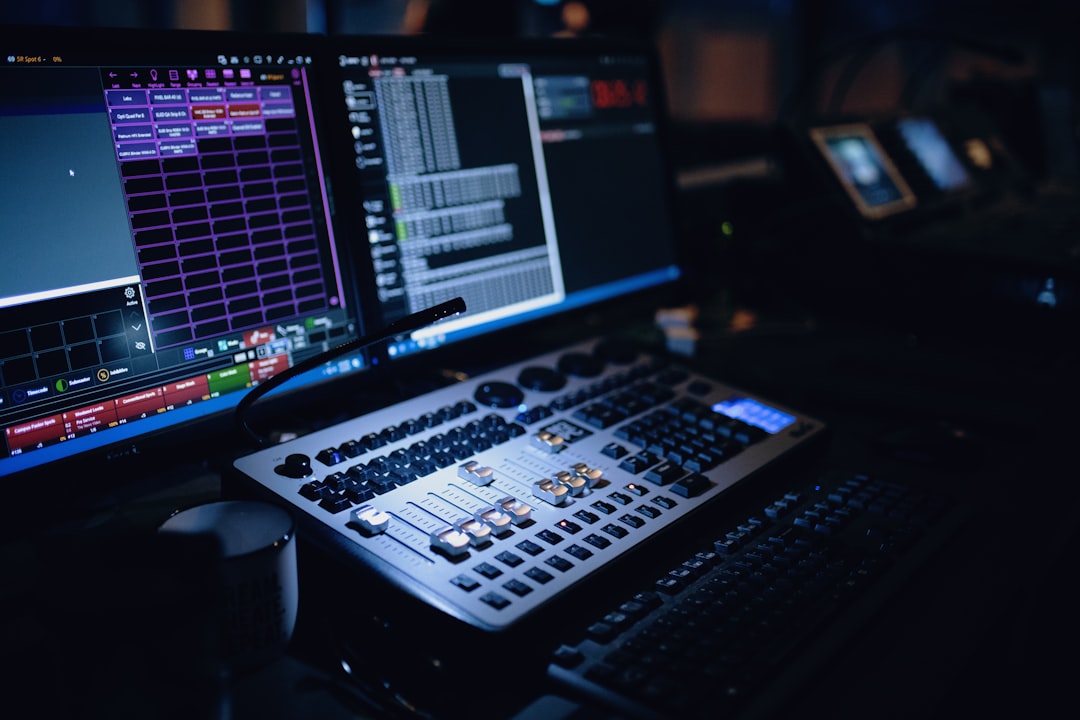
In many high-performance systems, a hybrid approach is used. For example, studio gear may combine FPGA-based processing hardware with user-controllable software interfaces, offering both power and usability.
Key Components Involved in DSP Audio Systems
Understanding which components play a role in DSP systems helps demystify how digital audio actually works. These components often include:
- ADC (Analog-to-Digital Converter): Converts analog audio into a digital format.
- DSP Processor or Chip: Executes mathematical operations on the digital signal according to programmed algorithms.
- DAC (Digital-to-Analog Converter): Converts the processed digital signal back to analog form for output.
- Memory: Buffers and stores audio data during processing.
- Interfaces: USB, Thunderbolt, or network ports used to send and receive audio data.
The Future of DSP in Audio
Looking ahead, trends indicate that DSP will continue to evolve, becoming even more deeply ingrained in both consumer and professional audio technologies. As processing speed and algorithmic sophistication increase, we can expect new forms of intelligent audio processing, including:
- Adaptive EQ: Automatically adjusts based on the room or listener’s preferences.
- AI-driven Mastering: Offers instant, high-quality mastering without human intervention.
- Augmented Reality Audio: Enhances real-world environments with real-time, spatially-aware sonic effects.
Moreover, as edge computing becomes more accessible, more DSP tasks will be handled on-device rather than in the cloud, enhancing privacy and reducing latency for real-time applications.
Conclusion
Digital Signal Processing is nothing short of revolutionary for the audio industry. From the way audio is captured and manipulated to how it’s ultimately delivered to our ears, DSP enables unmatched flexibility, efficiency, and quality. Whether embedded in a lavalier microphone or powering the intricate audio landscapes of AAA video games, DSP is the invisible engine behind the soundscapes we enjoy every day.
As the technology continues to advance, there is little doubt that DSP will remain a cornerstone of audio innovation for decades to come.