
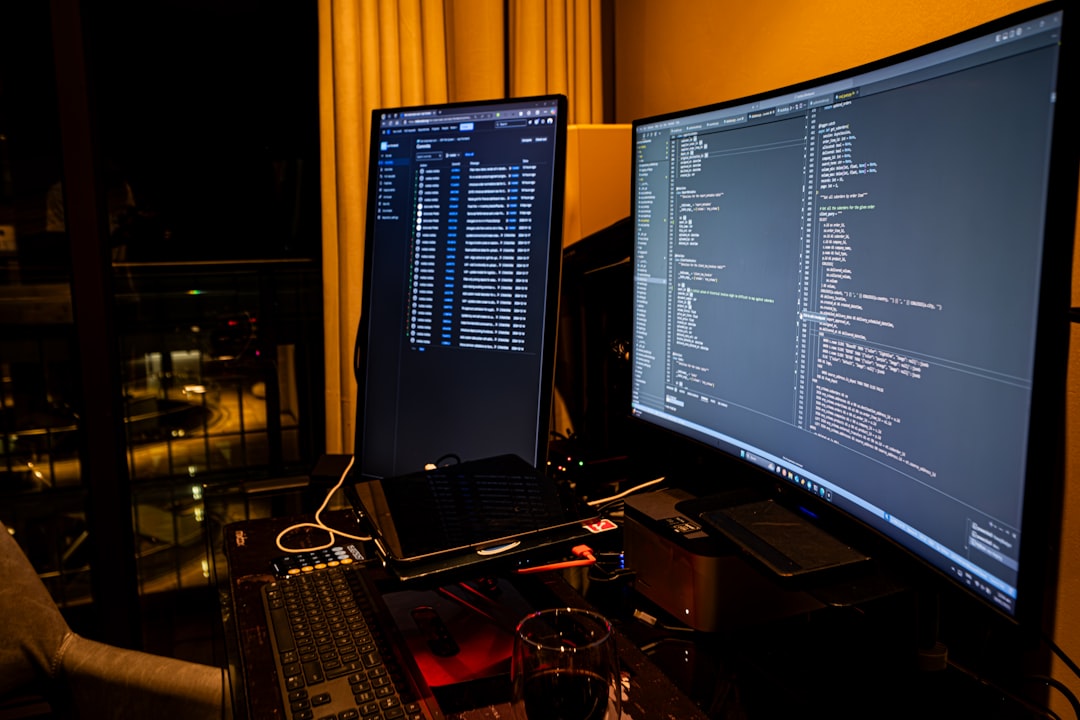
Choosing a professional to manage or build your WordPress website is a crucial decision for any business or personal project. WordPress powers over 40% of all websites on the internet, making it one of the most trusted and scalable content management systems available. However, hiring the right WordPress expert can be challenging — the market is saturated with developers of various experience levels and skill sets. Selecting someone who aligns with your goals and understands your vision is key to ensuring project success.
Understanding Your Project Requirements
Before you even begin searching for a WordPress expert, it’s essential to clearly define what you need. Are you creating a completely new website or looking to redesign an existing one? Do you need help with eCommerce integration, SEO, or custom plugins? By identifying your goals upfront, you’ll be in a stronger position to evaluate whether a prospective developer’s skill set matches your needs.
- Functional Needs: Identify the functionality you want — contact forms, dynamic content, payment gateways, etc.
- Design Preferences: Consider the style, layout, and branding direction you wish to take.
- Timeline and Budget: Be realistic about how much time and money you’re willing to invest.
Core Qualities to Look for in a WordPress Expert
1. Technical Proficiency
A genuine WordPress expert should be proficient in several coding languages including HTML, CSS, JavaScript, and PHP. They should also know how to work within WordPress’s core structure, theme templates, and plugin architecture. If your project involves advanced functionality or custom themes, this level of proficiency becomes non-negotiable.
2. Portfolio and Case Studies
A seasoned WordPress developer will always have a portfolio of completed projects or at least several case studies. Reviewing past work allows you to assess their design style, technical skills, and niche expertise. Don’t hesitate to ask for references or direct links to live websites they’ve worked on.
3. Communication Skills
Frequent and clear communication is vital. The best WordPress experts are not just developers but also consultants who can translate technical language into easy-to-understand concepts. Make sure your candidate is responsive, listens to your ideas, and offers constructive feedback.
4. Problem-Solving and Troubleshooting Ability
Web development inevitably involves challenges. An experienced expert should demonstrate a strong ability to troubleshoot bugs, optimize performance, deal with plugin conflicts, and manage security issues promptly.
5. Familiarity with SEO and Performance Optimization
Your website needs more than visual appeal. A competent WordPress expert should understand how to improve site speed, mobile responsiveness, and search engine visibility. Ask about their approach to technical SEO, including schema markup, meta tags, image optimization, and caching mechanisms.
Vetting Your Candidates
1. Ask the Right Questions
Prepare a list of questions to help differentiate between beginners and professionals:
- Can you describe your experience with custom WordPress theme development?
- What is your approach to site security and maintenance?
- Have you worked on projects similar to mine?
- Do you follow WordPress coding standards?
- How do you test for usability and bugs?
2. Review Their Online Presence
Search for online reviews, GitHub profiles, blog posts, or Stack Overflow contributions. These sources often reveal valuable insights into their coding quality and community engagement.
3. Test with a Small Job First
If you’re unsure about committing, start with a mini project like customizing a theme or fixing a plugin issue. This approach allows you to evaluate their technical skills, turnaround time, and communication without risking your entire project.
Avoiding Common Pitfalls
Hiring the wrong WordPress developer can lead to missed deadlines, poor quality, and increased costs. Be cautious of professionals who:
- Overpromise and underdeliver — Watch out for those who say yes to everything.
- Lack documentation — Keeping records of custom code or configurations is essential for future maintenance.
- Use too many plugins — Excessive plugins compromise site performance and security.
Freelancer vs. Agency: Which is Right for You?
Freelancers are often more affordable and flexible, making them ideal for small to medium projects. Agencies, on the other hand, can offer full-service packages including branding, copywriting, and marketing. Choose based on your project scope, timeline, and the level of ongoing support you expect.
Setting Up for Success
Once you’ve selected your WordPress expert, establish a written contract that outlines deliverables, payment schedule, timeline, and potential add-ons. Utilize project management tools like Trello, Asana, or Basecamp to keep communication streamlined. For ongoing needs, consider a maintenance retainer that includes regular updates, backups, and optimization.
Conclusion
Hiring a WordPress expert is more than finding someone who can code. It’s about partnering with a professional who understands your business goals, applies best practices, and delivers a seamless user experience. By paying attention to the qualifications, workflows, and communication style of your developer, you set your project on the path to success.
Frequently Asked Questions (FAQ)
-
Q: What is the difference between a WordPress developer and a WordPress designer?
A: A WordPress developer focuses on the technical aspects like coding, functionality, and custom features. A designer, on the other hand, works on aesthetics and user experience such as layout, colors, and typography. -
Q: How much does it cost to hire a WordPress expert?
A: Rates vary widely based on experience, location, and project scope. Freelancers can range from $25–$150 per hour, while agencies might charge higher fees for full-scale development and support. -
Q: Should I hire someone locally or remotely?
A: Both options have pros and cons. Local experts may offer easier communication and similar time zones, while remote professionals provide more variety and often competitive pricing. -
Q: Do I need to provide content and images before development begins?
A: Ideally, yes. Having your content ready allows for better design decisions and faster project completion. However, many developers can help with content strategy if needed. -
Q: How long does a typical WordPress project take?
A: The timeline can range from 1–8 weeks depending on project complexity, revisions, and client responsiveness.