

In today’s fast-paced business environment, staying agile and making data-driven decisions is more than just a competitive edge—it’s a necessity. Human Resources (HR) departments are increasingly turning to technology to streamline operations, enhance employee experience, and optimize performance. One of the most instrumental tools in this transformation has been workforce management software. In fact, recent research indicates that 5 out of 8 HR teams now rely on such platforms to get real-time insights into team dynamics and productivity. But why exactly has this software become so indispensable?
The Evolution of Workforce Management
Traditional HR systems were often manual, time-consuming, and subject to human error. With the growing demand for remote and hybrid work models, scattered teams, and ever-changing compliance regulations, HR leaders needed a better way to access up-to-the-minute data about their workforce. That’s where modern workforce management software (WMS) stepped in—offering automation, intelligence, and flexibility in a single package.
These tools provide functionalities such as:
- Real-time scheduling
- Employee time tracking
- Resource allocation
- Performance analytics
- Workflow automation
By centralizing workforce data, HR professionals can make quicker, more informed decisions that enhance team efficiency and lead to better business outcomes.
Real-Time Insights: A Game Changer for HR Teams
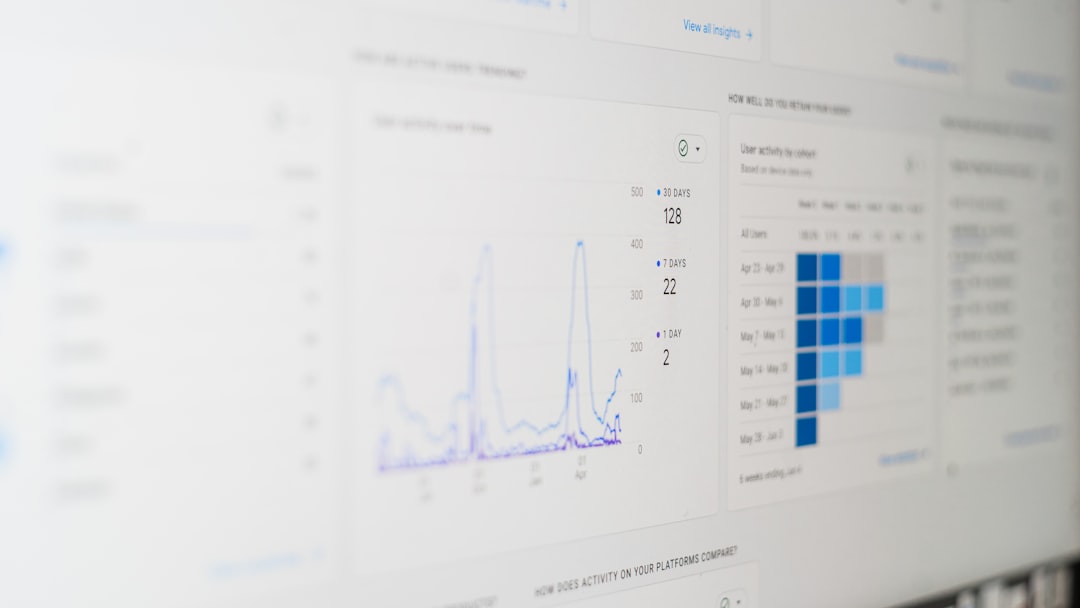
Perhaps the most valued feature of workforce management software is its ability to provide real-time insights. Gone are the days of static reports that get outdated as soon as they’re generated. Instead, HR leaders can now tap into live dashboards and analytics to monitor performance, attendance, scheduling conflicts, and more as they happen.
Why is this important? Because in an environment where workforce health and operational efficiency can pivot at a moment’s notice, visibility equals agility.
- Early Warning Signs: Real-time updates can alert HR if a department is understaffed or overworked, allowing immediate mitigation.
- Trend Identification: Spotting overtime patterns, absenteeism, or productivity bottlenecks enables proactive intervention.
- Data-Driven Decisions: Decisions about hiring, resource allocation, or shift changes can be made with confidence.
Why “5 out of 8” is Only the Beginning
While 5 out of 8 might sound like a modest percentage, it’s critical to understand the implications. That proportion—over 60%—represents a tipping point. In the world of technological adoption, crossing the 50% threshold is often the spark that moves a solution from early adopters to mainstream users.
So what’s convincing these forward-thinking HR teams to embrace workforce management software? Let’s look at some of the most common reasons.
1. Improved Employee Experience
Empowered employees are productive employees. WMS platforms often include self-service portals where staff can view schedules, request leave, or clock in remotely. This ease of access fosters transparency and autonomy, which can lead to higher job satisfaction and lower turnover.
2. Operational Efficiency
Manual scheduling and data entry are not only time-consuming but also prone to mistakes. Automation reduces human error and frees up HR professionals to focus on strategic initiatives rather than administrative tasks.
3. Cost Control
With live insights into overtime, staffing levels, and attendance trends, businesses can make adjustments that lower labor costs and improve ROI without sacrificing productivity.
4. Legal Compliance
From labor laws to contract obligations, compliance can be a landmine for HR. Workforce management tools can automatically flag potential issues and ensure that documentation is available for audits or disputes.

Key Features HR Teams Look For
If you’re part of the remaining 3 out of 8 HR teams yet to adopt workforce management software, it helps to know what your counterparts find most valuable. Here are some of the key features that make these tools indispensable:
- Customizable Dashboards: Providing tailored views of workforce metrics relevant to different roles.
- AI-Driven Forecasting: Predicting staffing needs based on historical trends and upcoming projects.
- Mobile Accessibility: Empowering employees and managers to interact with the system on the go.
- Integrations: Seamless connectivity with payroll, ERP systems, and communication tools.
What sets top-tier platforms apart is the user experience. Intuitive interfaces, guided workflows, and interactive visuals make it easier for HR teams to act on the data presented to them.
Challenges and Considerations
Adopting workforce management software isn’t without its challenges. Some of the most common hurdles include:
- Implementation Time and Cost: Depending on the size of the organization, deploying these tools can require significant planning and investment.
- User Adoption: Ensuring buy-in across departments can be difficult, especially in businesses resistant to change.
- Data Privacy: As with any HR tool, the protection of sensitive employee data must be prioritized through secure access and compliance with standards like GDPR.
However, these obstacles are generally short-term concerns when weighed against the long-term benefits. Clear communication, stakeholder involvement, and vendor support can make the transition much smoother.
The Future of Workforce Management
The increasing reliance on workforce management software is pointing toward a future where HR is deeply embedded with data analytics and real-time decision-making. We’ll likely see these systems incorporate more advanced technologies such as:
- Machine Learning for automated schedule optimization
- Predictive Analytics for workforce planning
- Natural Language Processing for smarter communication interfaces
These innovations will further cement the role of WMS as vital to strategic HR planning and business success. Companies that delay adoption risk falling behind in areas like employee satisfaction, operational efficiency, and compliance.
Conclusion
The revelation that 5 out of 8 HR teams now rely on workforce management software signals not just a trend, but a shift in how businesses approach human capital management. With its ability to provide real-time insights, boost efficiency, and improve decision-making, WMS is more than just a tool—it’s a transformational force in modern HR practices.
As more organizations recognize the value and adapt to a data-driven culture, this ratio will only grow. For HR professionals considering whether to invest in such solutions, the question isn’t “if” anymore, but “how soon.”