
Google Maps has been the go-to navigation tool for years. It’s everywhere—from smartphones to websites and even inside cars. But lately, something interesting is happening. Businesses are starting to look for other options.
Why is this happening? Let’s break it down in a fun, easy-to-understand way.
1. Pricing Shock!
Back in the day, Google Maps was free or very cheap for businesses to use. But in 2018, Google made a big change. They increased their prices for businesses using Google Maps APIs. That means any app, website, or service that uses Google Maps has to pay more.
For some startups and smaller companies, this was a big hit. Their costs shot up overnight.
- Some saw price increases of over 1,400%!
- Others had limits put on their free usage.
No one likes a surprise when it comes to the bill.
2. There Are New Kids on the Map
In the past, there weren’t many good mapping services. But now, there are more options than ever. New companies have joined the map race—and they’re really good.
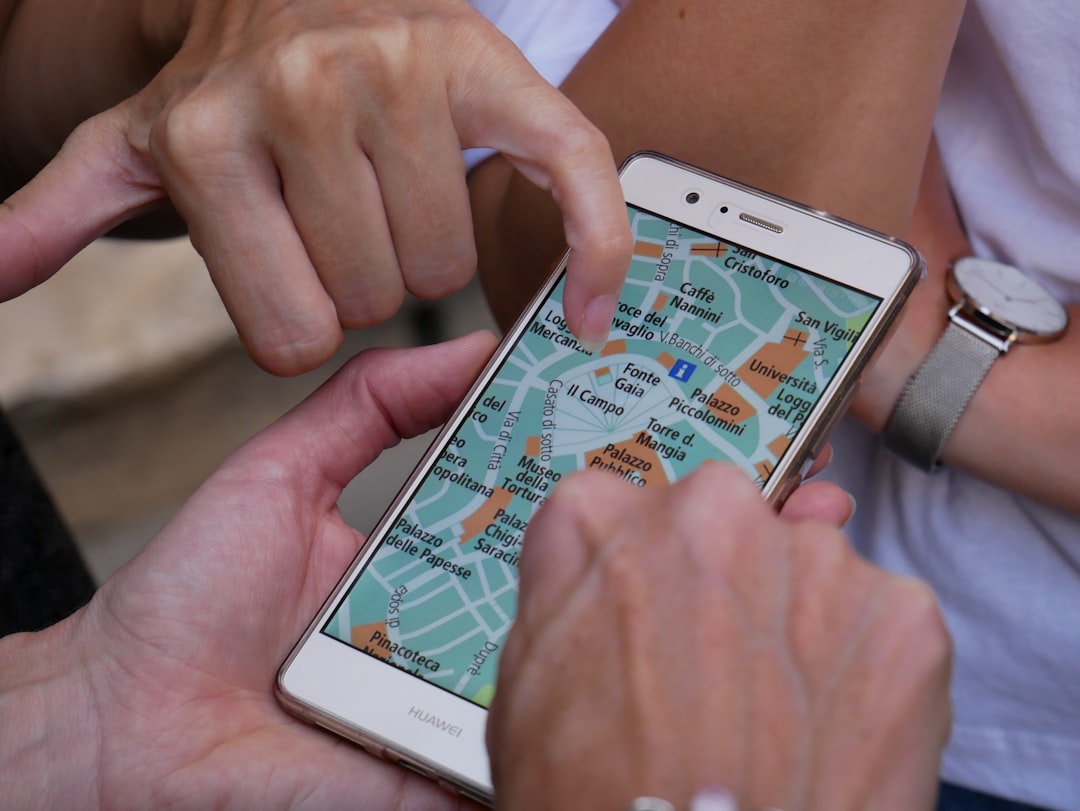
Here are some popular alternatives to Google Maps:
- Mapbox – Offers beautiful, customizable maps.
- OpenStreetMap – A community-powered map that’s open source and free.
- Here Maps – Known for accuracy and great for logistics and fleets.
- TomTom – A big name in GPS and now digital mapping too.
- Apple Maps – Getting better every year and growing in popularity.
These services often cost less and give more power back to developers.
3. Customization Is Cool
Many alternatives let businesses design their maps exactly how they want. That means colors, labels, zoom levels, and even map style can all be customized.
Google Maps is good, but it’s also a little… standard. Everyone’s map looks the same. Alternatives like Mapbox let you stand out.
Imagine a pizza shop showing pizza icons instead of pins!
4. Privacy Matters
Today’s users are picky about privacy. They want to know where their data goes. Google tracks a lot of location info to make its maps smarter—but not everyone is OK with that.
Some businesses are choosing alternatives that collect less data or give them more control. They want to protect their customers’ privacy.
For example, OpenStreetMap doesn’t track you as you move. That’s a big win for privacy-focused companies.
5. Better for Special Use Cases
Some apps need maps for more than just driving directions. Think delivery services, drone apps, ski trackers, and hiking planners.
Alternative platforms offer unique features such as:
- High-detail satellite imagery
- 3D maps for terrain
- Weather layers
- Custom routing options
With Google, you’re sometimes stuck with a one-size-fits-all solution. Other platforms let you do more.
6. The Community Says So
There’s a growing movement of developers and tech enthusiasts who love open data. They prefer community-driven tools like OpenStreetMap.
Supporting these tools helps keep the internet more open and accessible. Plus, many of these maps improve every day with help from real users.
It’s like Wikipedia, but for maps.

7. Global Coverage and Local Control
Google is strong globally, but some places have better support with local providers. For example, in countries like China, Google Maps doesn’t work well (or at all). Local map services do better.
This makes regional mapping solutions a smart choice for international businesses.
Also, some platforms let you store and serve your maps from your own servers. That can be faster and more secure.
8. No Lock-In
Another reason for switching? Flexibility. Once you build everything around Google Maps, it’s hard to leave. That’s called vendor lock-in.
Many businesses don’t want to feel trapped. Alternatives offer tools that are open, developer-friendly, and easy to switch in or out.
This is especially true with platforms like OpenStreetMap and MapLibre.
But Wait… Isn’t Google Maps Still Good?
Of course! Google Maps is still one of the best tools out there. It has amazing features, global data, real-time traffic, and Street View.
For many users, it works great. But for businesses looking for lower cost, more control, or added features, the alternatives are looking very tempting right now.
How to Make the Switch
If your business is thinking about switching from Google Maps, you’re not alone. Here’s a simple plan to get started:
- Step 1: Define your map needs. Are you showing a store locator or managing a delivery fleet?
- Step 2: Research alternatives. Compare pricing, features, and documentation.
- Step 3: Test options with trial accounts or free tiers.
- Step 4: Update your app or website to use the new API.
- Step 5: Monitor and fine-tune as you go.
Don’t worry—you don’t have to do it all at once.
The Future of Maps
The map world is changing fast. Businesses no longer have to stick with just one provider. With more tools, better pricing, and smarter features, the future is wide open.
And here’s the best part—many of these alternatives are made with love, not just profit.
So whether you’re building an app, running a tour company, or managing a fleet of food trucks, the right map can make all the difference.

One Final Thought
Maps may seem simple, but they power huge parts of our daily lives. Whether it’s getting us from one place to another or helping shoppers find your store, maps matter.
Google Maps had its time to shine—and still does! But more businesses are now saying:
“Let’s explore what else is out there.”
And guess what? There’s a whole new world of maps waiting to help.