

In the fast-paced world of eCommerce, businesses continuously look for effective ways to boost sales and improve customer experience. While sleek product pages and engaging marketing strategies capture much attention, one silent yet formidable hero stands between browsing and conversion success: the shopping cart. Often underestimated, the shopping cart is far more than a container for selected products—it’s a crucial component in influencing buyer behavior, optimizing the checkout process, and reducing cart abandonment.
TLDR: A well-designed shopping cart is vital to sales growth in eCommerce. It helps streamline the buying process, builds customer trust, reduces cart abandonment, and offers valuable data for better business decisions. The more intuitive, transparent, and frictionless the cart experience, the higher the chances of converting visitors into paying customers.
Understanding the Role of the Shopping Cart
The eCommerce shopping cart serves as a digital bridge between product discovery and purchase. Think of it not simply as storage but as the gateway to revenue. It’s a customer’s final review space, a decision-making arena, and a launchpad for conversion.
In its simplest form, a shopping cart should allow users to:
- Add or remove products
- Modify item quantities
- Save items for later
- View estimated totals, including taxes and shipping
- Proceed to secure checkout
Yet in practical terms, it does so much more. It communicates value, builds trust, and minimizes friction—each of which significantly impacts the final sale.
Why It’s Critical for Driving Sales Growth
Let’s break down why optimizing your shopping cart can directly influence your bottom line.
1. Reduces Cart Abandonment
According to research by Baymard Institute, the average cart abandonment rate is nearly 70%. That’s a massive loss of potential revenue. While reasons vary—from unexpected extra costs to complex checkouts—a clunky or confusing cart experience is often the culprit.
A well-optimized cart addresses these issues by:
- Providing transparency in price and taxes
- Offering guest checkout options
- Ensuring mobile responsiveness
- Reducing loading times and errors
When customers feel that the path to purchase is seamless, they’re more likely to complete the transaction.
2. Enhances User Experience (UX)
A good shopping cart goes hand-in-hand with superior UX design. Features like real-time cart updates, easy navigation back to product pages, and one-click product removal reduce friction and frustration. More importantly, these features enhance customer satisfaction, which in turn fuels repeat business.
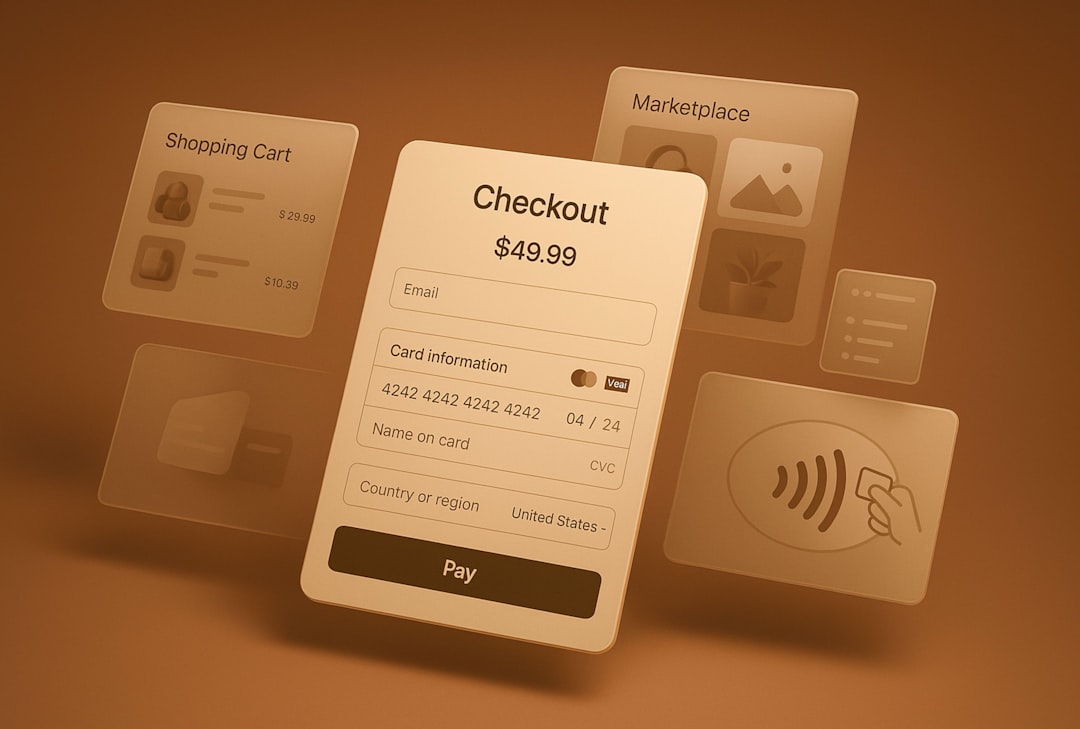
Consider also including supportive features like:
- Save for Later: Empowers undecided buyers to return later
- Persistent Carts: Maintains cart items across devices and sessions
- Visual Thumbnails: Reminds users of their potential purchases
A pleasurable cart experience makes your store favorable in consumers’ minds, increasing lifetime value.
3. Encourages Upselling and Cross-Selling
Shopping carts present a strategic opportunity for maximizing cart value. Through intelligent recommendations, retailers can suggest complementary products or encourage buyers to upgrade their selections.
Common tactics include:
- “People also bought…” suggestions beside the cart
- Prompts for volume discounts or bundle offers
- Offering free shipping thresholds (“Add $10 more for free shipping!”)
These small nudges encourage customers to spend more while providing relevant options—benefitting both customer satisfaction and business revenue.
4. Builds Trust and Reduces Anxiety
Online shopping still carries elements of uncertainty—from payment security to product authenticity. A shopping cart that clearly displays product summaries, financial totals, return policies, and secure payment badges goes a long way in easing customer anxiety.
Adding trust-building elements such as:
- SSL certifications
- Visible contact support
- Trustpilot or customer reviews
helps reassure customers right before they commit. It reduces second-guessing and boosts confidence in clicking that final “Buy” button.

5. Provides Valuable Business Data
Besides serving the customer, shopping carts are a treasure trove of behavioral analytics. Understanding where users bail out, which products are commonly abandoned, or what triggers conversions can inform ongoing optimizations.
Use cart analytics to answer questions like:
- Are users dropping off at the payment stage?
- Which cart elements receive the most interactions?
- Do cart abandonment emails successfully convert?
By analyzing these data points, you can implement A/B testing and refinement strategies that improve the cart’s performance, enhancing both UX and profitability.
Key Features of a High-Converting Shopping Cart
If you’re wondering what a high-performing cart looks like, here are the must-have features:
- Clean, uncluttered design
- Responsive layout for all devices
- Transparent and editable order summary
- Auto-save functionality
- Progress indicators in multi-step checkouts
- Easy discount code application
- Secure checkout integrations (PayPal, Apple Pay, etc.)
Each of these not only adds convenience but also gently guides the user down the sales funnel.
Tips for Optimizing Your eCommerce Cart
Implementation is key. Here are some best practices to ensure your cart truly supports your growth goals:
- Simplify the path to checkout: Fewer steps mean less distraction and more completions.
- Keep it fast: Loading delays or laggy cart updates can drive users away.
- Test and tweak regularly: Use A/B testing to find better converting layouts and messages.
- Implement cart recovery strategies: Send timely reminder emails or offer time-sensitive discounts to re-engage users who abandoned carts.
- Be mobile-first: Over 50% of shopping is now mobile. If your cart isn’t mobile-optimized, you’re losing sales.
Final Thoughts
As eCommerce continues to explode globally, businesses can’t afford to overlook the humble shopping cart. It’s not just a finishing line—it’s a powerful conversion tool, marketing platform, and trust builder all rolled into one digital component. By treating your cart as a strategic asset and continually refining it based on analytics and UX principles, you can drive significant sales growth and keep customers coming back for more.
Remember, in the digital marketplace where choices are endless, the smallest details often make the biggest difference. And your shopping cart could be the difference between a bounce and a buy.