
Package sortation apps should be chosen for scan speed, carrier coverage, exception handling, and delivery handoff. Parcel pressure is not going away; Pitney Bowes reported 183 billion parcels shipped globally in 2023 [source: Pitney Bowes]. For a warehouse sorting 4,000 parcels per day, even a 10% cut in misroutes can mean 400 fewer fixes, calls, relabels, and angry delivery notes each day.
TLDR: The best package sortation apps help teams scan, label, sort, route, and track parcels with fewer manual steps. A small warehouse processing 1,200 daily orders could save 2 to 3 labor hours by using barcode scanning, batch labels, and auto carrier rules. For example, if a team cuts sorting errors from 3% to 1%, it avoids 24 wrong parcels per day at that order volume. The strongest picks are Logiwa IO, ShipStation, EasyPost, Shippo, and Onfleet.
What Package Sortation Apps Actually Fix
Package sortation gets messy fast. Orders arrive from several channels. Staff print labels. Carriers have different rules. Drivers need clean handoffs. One bad scan can send a parcel to the wrong dock.
Good sortation software keeps this work moving. It usually supports barcode scanning, bin assignment, label creation, carrier selection, routing, delivery proof, and status updates. The best tools also show what went wrong without making staff dig through five screens. Honestly, it feels like some apps forget that warehouse teams wear gloves and work under pressure.
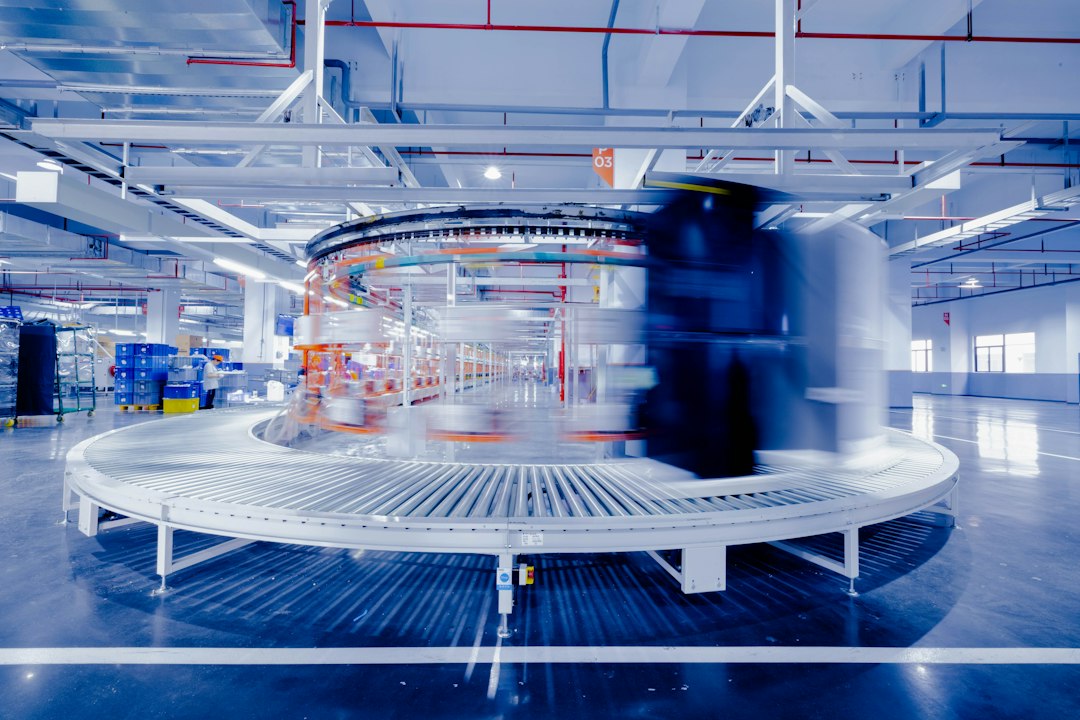
1. Logiwa IO: Best for Warehouse Sortation Workflows
Logiwa IO is built for high-volume fulfillment teams. It handles receiving, picking, packing, sortation, shipping, and inventory control. It is a strong fit for 3PLs, e-commerce warehouses, and brands that need order flow to stay clean across many sales channels.
- Best for: growing warehouses and 3PL operations.
- Useful features: wave picking, barcode scanning, packing rules, carrier integrations, and real-time inventory.
- Sortation value: teams can group orders by carrier, zone, service level, or shipping deadline.
The catch is that implementation takes planning. It is not a “click around for ten minutes” app. Still, for teams with daily volume and messy order logic, that setup time can pay off quickly.
2. ShipStation: Best for Fast Labeling and Carrier Rules
ShipStation is one of the most familiar shipping tools for small and mid-sized sellers. It connects to marketplaces, shopping carts, and carriers. Its real strength is fast label work. Staff can batch labels, apply automation rules, and sort shipments by service type.
- Best for: e-commerce teams that need simple shipping control.
- Useful features: batch labels, order tags, branded tracking, carrier rate comparison, and scan-to-print tools.
- Sortation value: orders can be tagged and filtered before labels hit the printer.
Waiting 6 extra seconds per label sounds tiny. Across 900 packages, it becomes 90 wasted minutes. ShipStation helps reduce that kind of slow bleed when rules are set well.
3. EasyPost: Best for Custom Sortation Systems
EasyPost is best for teams with developers or custom systems. It offers APIs for shipping labels, tracking, address checks, insurance, and carrier rating. It is less of a visual shipping desk and more of a toolkit behind the scenes.
- Best for: companies building custom warehouse or order systems.
- Useful features: multi-carrier API, address verification, tracking webhooks, and label generation.
- Sortation value: custom rules can assign parcels to lanes, bins, docks, or carriers automatically.
This tool makes sense when standard software feels too boxed in. It also pairs well with barcode scanners and internal dashboards.
4. Shippo: Best for Small Teams That Need Multi-Carrier Shipping
Shippo is simple, clean, and friendly for smaller operations. It supports major carriers, discounted rates, batch label creation, tracking, and returns. It may not run a full warehouse, but it can remove a lot of label chaos.
- Best for: small e-commerce teams and growing retailers.
- Useful features: carrier comparison, batch labels, scan forms, return labels, and tracking emails.
- Sortation value: shipments can be grouped by carrier and service before pickup.
For teams still sorting printed orders by hand, Shippo is often a practical step up. It keeps the process light and clear.
5. Onfleet: Best for Last-Mile Delivery Sortation
Onfleet focuses on the delivery side. It helps dispatchers assign jobs, track drivers, send customer updates, and collect proof of delivery. It is useful when a company runs its own vans, couriers, or local delivery staff.
- Best for: local delivery teams, couriers, grocery delivery, pharmacy delivery, and furniture delivery.
- Useful features: driver app, route planning, customer texts, proof of delivery, and live tracking.
- Sortation value: parcels can be sorted by route, driver, delivery window, or service area.
Teams comparing dispatch tools may also benefit from reviewing logistics scheduling software and route optimization platforms, especially when warehouse sorting and driver planning overlap.

How Teams Should Pick the Right Tool
The right app depends on where the pain sits. If the warehouse is the problem, Logiwa IO is the stronger fit. If labels and carrier rules are slowing teams down, ShipStation or Shippo may be enough. If the business has custom software, EasyPost gives more control. If delivery handoff is the weak point, Onfleet is the better match.
Managers should test each tool with real order samples. A demo with 20 clean orders proves little. A test with split shipments, bad addresses, mixed carriers, late orders, and return labels tells the truth much faster.
FAQ
- What is a package sortation app?
A package sortation app helps teams scan, group, label, route, and track parcels before they leave a warehouse or delivery hub. - Which tool is best for a small e-commerce store?
Shippo or ShipStation usually fits smaller sellers well because both support batch labels, carrier rates, and tracking without heavy setup. - Which tool is best for a 3PL warehouse?
Logiwa IO is a strong option because it supports warehouse workflows, inventory, packing, sortation, and shipping rules. - Does sortation software reduce delivery mistakes?
Yes. Barcode scans, carrier rules, address checks, and route grouping can reduce wrong labels, bad handoffs, and missed delivery windows. - Can these tools work together?
Yes. A warehouse may use Logiwa IO for fulfillment, EasyPost for shipping APIs, and Onfleet for local delivery tracking.